Coastal Foraging & Micro-Seasons
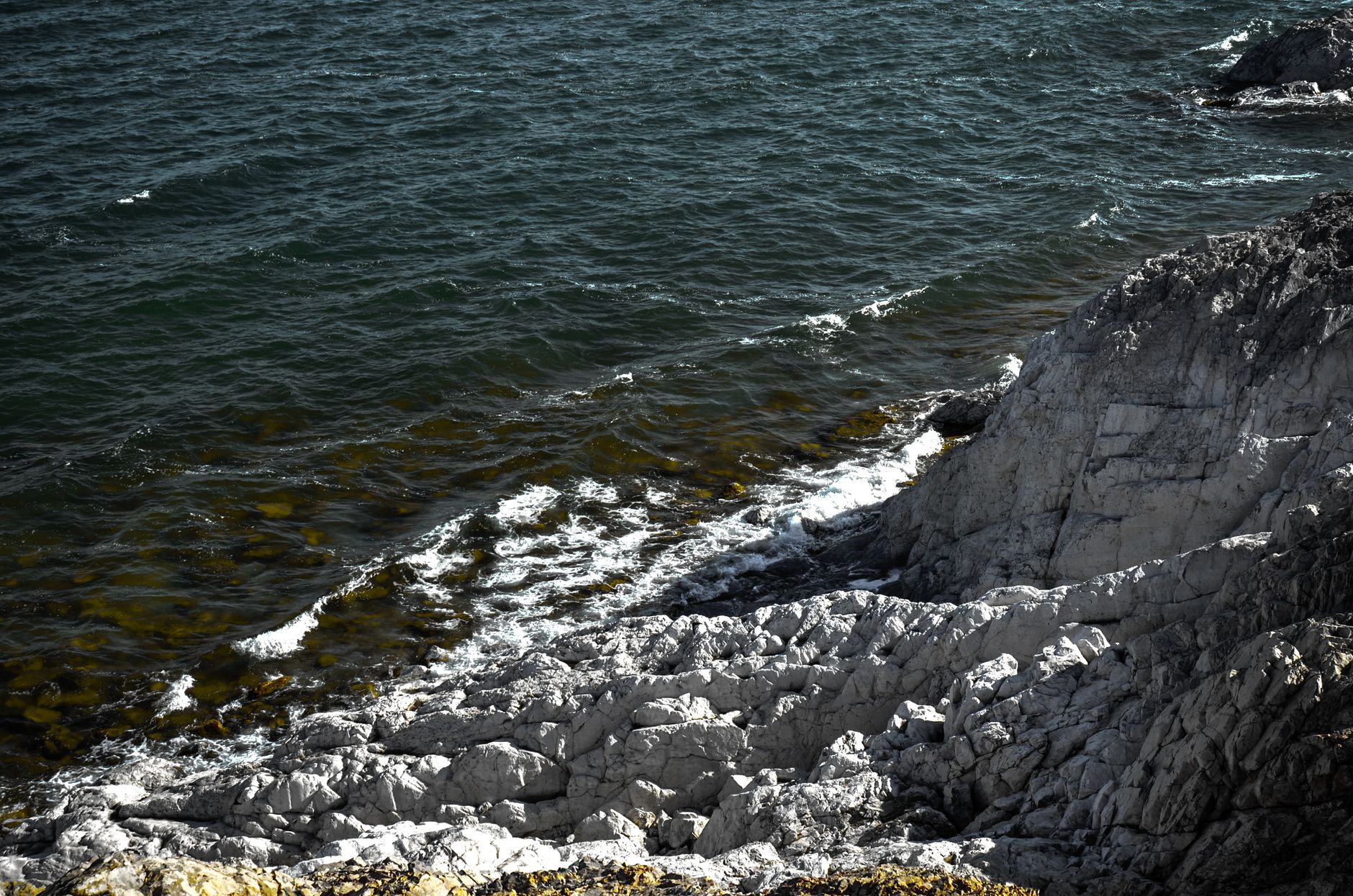
Along cold northern shorelines, the ocean recedes twice a day to expose a pantry untouched by commercial agriculture. Foraging here requires an intimate study of lunar phases, salinity, and wind patterns.
1. Reading the Tidal Clock
True coastal foragers do not follow standard kitchen timetables; they follow low tide springs. Walking into exposed kelp beds at dawn means feeling the pulse of maritime life before the return of cold swells.
"Food harvested where seawater collides with cold rock holds an intensity no greenhouse can imitate."
2. Edible Seaweeds & Shoreline Herbs
Sea truffle, dulse, and sea purslane offer complex salty, peppery, and umami accents. Chefs along coastal Scandinavia and the Scottish highlands now incorporate these wild botanicals into broths and smoked meats, celebrating hyper-localized culinary identity.
3. The Hearth Table
Returning from a damp foraging morning to a wood-fired hearth encapsulates the very heart of slow exploration: a deep connection between physical terrain and human nourishment.
Curate a Culinary Journey
We connect travelers with premier coastal chefs, wild foraging guides, and artisanal smokehouses.
Book Consultation