Kyoto’s Unhurried Teahouses
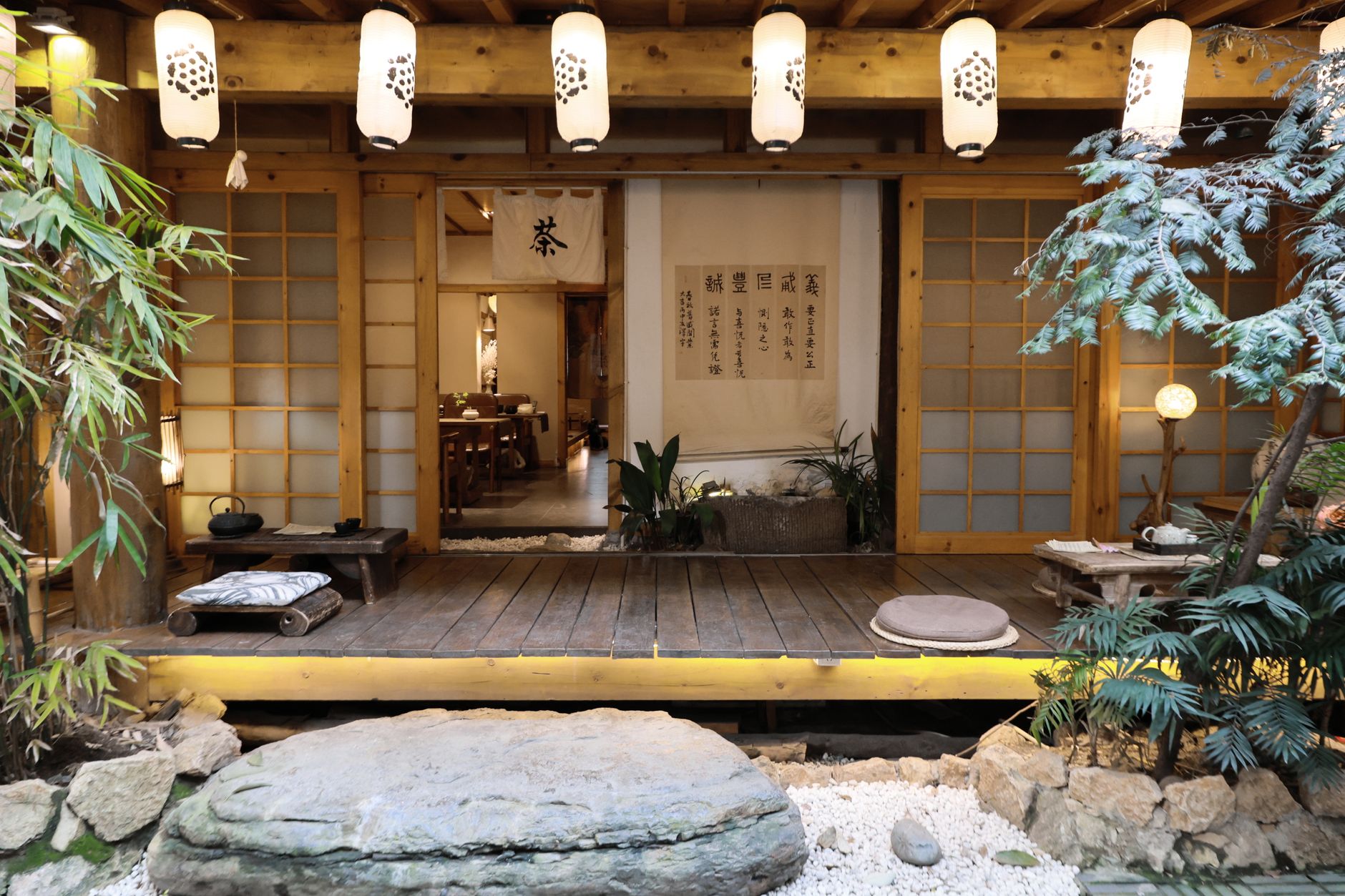
In the historic alleyways of Higashiyama, stone flagstones lead through modest wooden gates into spaces designed explicitly to slow the passage of time. The tea chamber, or chashitsu, is an exercise in intentional subtraction.
1. The Chashitsu as a Microcosm
Entering a traditional teahouse requires bending low through the nijiriguchi—a small, square entrance designed originally so that samurai had to lay down their swords and enter as humble equals. Inside, tatami mats and unvarnished cedar pillars remind guests of fleeting natural seasons.
"Every gesture within the room serves as an anchor to the present moment, turning warm water into an act of reverence."
2. Movement and Silence
The sounds of a tea gathering are distinct: the soft scraping of a bamboo whisk against a dark ceramic bowl, the boiling hiss of iron kettle water, and the rustle of silk kimono. There is no conversation about modern anxieties; conversations center on the seasonal scroll hanging in the tokonoma alcove.
3. The Moss Courtyard
The roji, or dew-ground path, precedes the ceremony. Designed to mimic a solitary mountain path through moss and dripping stone basins, it cleanses the mind before one steps across the threshold.
Experience Kyoto Intimately
Allow our specialists to arrange private invitations to historic Kyoto machiya residences and tea ceremonies.
Connect With Us