The Rhythm of High Alpine Passes
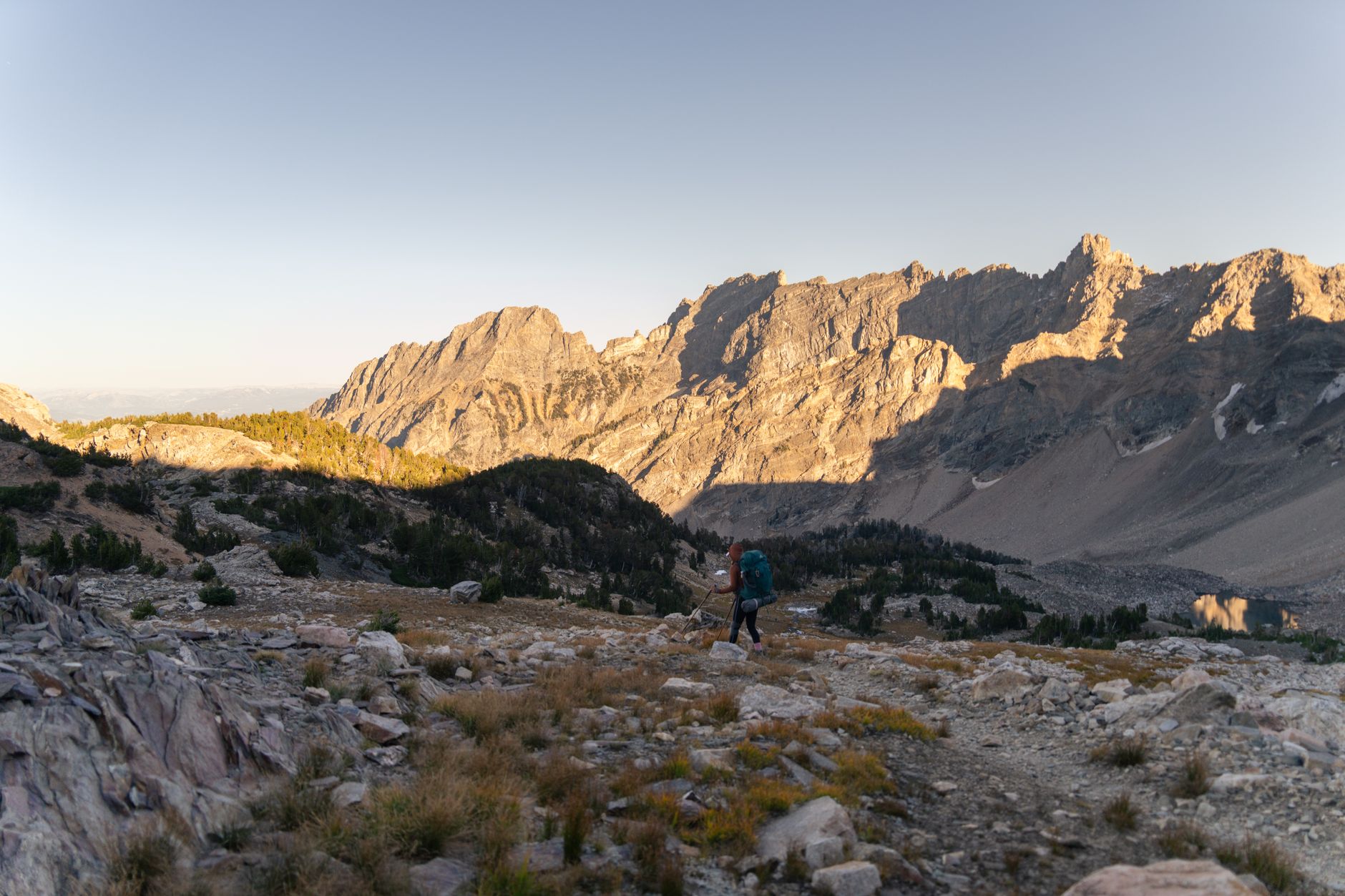
Table of Contents
Above two thousand meters, sound transforms. The roar of valley rivers diminishes into a dry, whispering wind traversing limestone slabs. Here, travel ceases to be a list of sites and reduces itself to the physical truth of footsteps, breath, and daylight.
1. Entering the Thin Air
Walking the high passes between northern Italy and Austria reveals the stark beauty of slow travel. Rather than rushing through mountain tunnels in cars, ascending on foot compels you to witness the stratification of flora: from dense pine belts to sparse moss and finally raw bedrock.
"A pass is not merely a geographic crossing; it is a psychological threshold where the traveler sheds the clutter of lower elevations."
2. Architectural Solitude of High Refugios
Modern alpine shelters have evolved far beyond basic survival huts. Architects in the Dolomites and Swiss cantons now utilize local timber, solar capture, and panoramic glazing to create structures that feel simultaneously protective and transparent to the elements. Sharing an evening polenta dish with fellow mountaineers under timber rafters reminds us that hospitality thrives when stripped of excess.
3. Pacing Your Ascent
The true lesson of alpine passes is pacing. Trying to accelerate uphill drains endurance immediately; instead, finding a steady cadence allows one to hike for hours without fatigue. This mindset carries seamlessly into life beyond the mountains.
Ready for an Alpine Journey?
Our concierge desk organizes bespoke walking itineraries and refugio reservations tailored to your endurance and style.
Consult Desk